
Energy efficiency projects, whether in a home or a business, are usually spurred by what grabs our attention. Homeowners focus on rising utility bills and comfort issues like drafts or inconsistent temperatures; businesses typically focus on cost.
We often think energy efficiency involves making big changes, which can feel overwhelming and lead to inaction. And sometimes people make major investments, like installing solar panels or replacing appliances and equipment, before fixing basic problems like air leaks or poor insulation.
A better, more affordable way to achieve energy efficiency is to take smaller steps in the right order.
A roadmap for energy and cost savings
While every residential and commercial scenario is different, and improvement projects often take place concurrently, sequencing your energy efficiency enhancements over time makes the process easier to manage and afford
Step 1: Audit your energy use
Identify and understand how you use energy and where energy and money are wasted. Review utility bills from the past year to reveal patterns and seasonal changes in your energy consumption. Think about and discuss your daily habits and regular procedures to identify problem areas at home and at work.
Step 2: Get a no-cost assessment
A professional energy assessment will reveal specific energy saving opportunities. Cape Light Compact’s No-Cost Home Energy Assessment connects you with an Energy Specialist to evaluate your entire home and identify energy-efficiency issues and solutions.
The Compact also offers comprehensive assessments and programs for businesses The Small Business Program provides no-cost energy assessments that include information on energy-saving measures and an energy action plan for specific energy efficiency improvements.
For homeowners and businesses, an assessment will unlock substantial incentives and energy savings, as well as low- and no-interest financing.
Step 3: Complete simple fixes first
With or without a formal energy assessment from the Compact, it’s helpful to think about your improvement projects sequentially. For the fastest returns, address the simplest and most affordable issues to immediately see a big difference.
- Seal air leaks around doors, windows, and ducts.
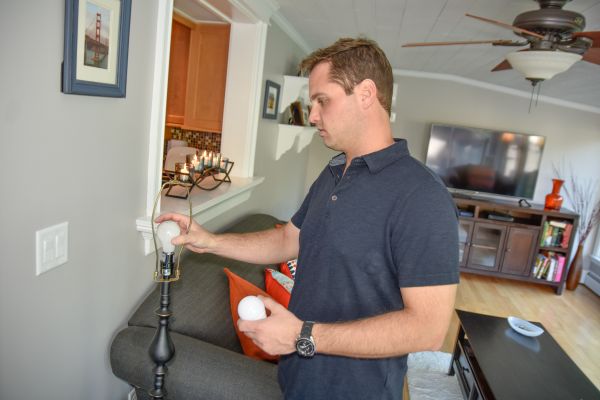
- Switch to LED lights.
- Install smart thermostats or simple controls.
- Adjust temperature settings.
- Clean or replace dirty filters.
- Fix leaking ducts.
The Mass Save online marketplace for home owners and businesses is a great resource for purchasing products directly and the cost saving incentives are applied right at checkout.
Step 4: Optimize existing systems
After fixing obvious problems, focus on improving your current energy systems. The goal is to get the most from what you have, so you save money without making a big investment.
- Balance and maintain your current HVAC systems.
- Add occupancy or daylight sensors to improve lighting.
- Upgrade insulation, especially in attics and roofs, to help retain heat in winter and cool air in summer.
Step 5: Upgrade appliances
Once your current systems are optimized and run more efficiently, you can make better decisions about scheduling appliance upgrades. Instead of replacing everything at once, schedule replacements over time but don’t wait too long. The cost of maintaining older, less efficient appliances can be significant. Cape Light Compact offers rebates on ENERGY STAR-certified home appliances including electric stoves, clothes dryers, and room air conditioners.
Step 6: Upgrade HVAC systems
As part of your No-Cost Energy Assessment, should you go that route, your Energy Specialist will recommend specific options for replacing or upgrading your current HVAC system, if warranted. There are different options to consider depending on your home or business and current equipment. As with appliances, even though the equipment may be functioning properly, the cost of maintaining an inefficient system can be significant. Heat pumps have become an increasingly popular choice for both heating and cooling thanks to their efficiency, comfort, and environmental benefits. However, this eco-friendly option is often misunderstood, and there are several factors you should consider before making a decision.
Step 7: Consider system investments
Consider making the efficiency improvements described in steps one through six, before adding renewable energy such as solar panels.. A more efficient building may impact the size of a potential renewable energy system.
Step 8: Monitor energy use
Pay ongoing attention to your home and business environment and your energy bills. Check your energy use each month and keep up with regular maintenance.
You can do this
The best energy strategy isn’t about making one big investment. It’s about taking the right steps in the right order. By cutting waste first, improving current systems, upgrading appliances and equipment when it makes sense, and then adding renewable energy if desired, you can save money over the long term.
Cape Light Compact programs offer home and business owners helpful services and substantial financial incentives to help with energy efficiency upgrades. Contact us today to discuss your energy efficiency needs and how we can help.